The art of the private viewing
A little preparation, a few thoughtful questions and enough time to form your own view.
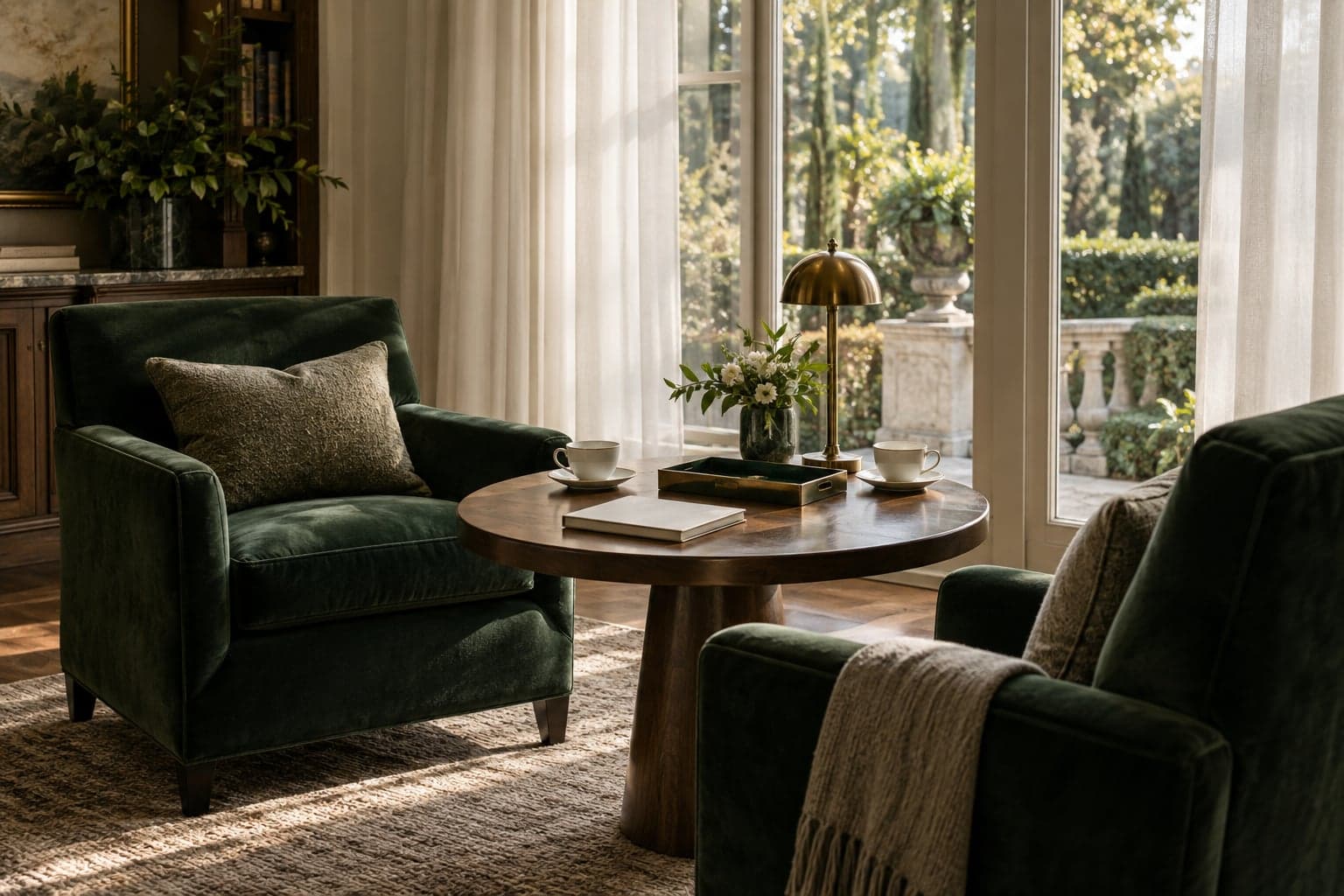
A private viewing need not be a performance of expertise. At its best, it is a setting in which you can look carefully, ask straightforward questions and decide what you want to understand next.
The useful preparation is surprisingly simple. Arrive with curiosity, a sense of your interests and permission to leave without a decision. These are our editorial suggestions for making that time more worthwhile, whether your interest is collecting, jewellery or the emerald trade itself.
Begin with your own reason for being there
Before the meeting, write a sentence about what has brought you to it. Perhaps you are interested in colour, in the work behind a jewel or in learning how professionals discuss rough material. Perhaps you are simply deciding whether this is a world you would like to know better.
There is no need to make that sentence sound impressive. Its purpose is to give the conversation a direction that belongs to you, rather than allowing the setting to decide what you ought to be interested in.
Make space for the obvious question
Ask for unfamiliar terms to be explained. If two people are using the same word differently, pause and clarify it. A comfortable conversation should allow a basic question without turning it into an admission of inadequacy.
It can help to keep observations and claims separate in your notes. “I like the colour” records your response. “I was told this about the stone” records something you may want to explore further. Neither needs to become an immediate conclusion.
If supporting material is mentioned, ask what can be shared afterwards. A viewing can introduce information without requiring you to absorb or assess all of it in the room.
Know what a laboratory report covers
GIA’s coloured-stone reports identify the material, distinguish natural from synthetic stones and describe detectable treatments. They record features such as shape, measurements and colour. For eligible stones, an origin service can provide geographical origin when determinable. GIA: Coloured Stone Reports and Services
Our practical suggestion is to ask which report you are being shown and what question it answers. Keep your notes about the stone, the report and the proposed purchase separate. That makes a follow-up conversation easier: you can point to the exact information you want explained rather than relying on a general impression of reassurance.
A five-question viewing note
Our suggested note is short enough to take into the room:
- Which stone or parcel am I looking at? Record its identifier.
- What do I notice myself, and what am I being told?
- Which report supports each statement about identity, treatment or origin?
- Which documents can I review afterwards?
- What would I need explained before taking another step?
Leave space beside each answer for a follow-up. An unanswered question is more useful than a confident note you cannot later substantiate. If several stones are presented, use a separate note for each rather than combining their descriptions.
A viewing is not a deadline. Take the notes away, compare them with the documents and decide whether another conversation would be useful.
To understand the membership relationship and how enquiries are reviewed, visit Membership. For proposed gatherings, see Events.